
Tying a Generator Into the House the Safe Way
A generator is only as safe as its connection to the panel. 4 Daughters Electric installs transfer switches and generator hookups — never a suicide cord — for Gilbert and East Valley homes.
4 Daughters Electric wires portable and standby generators for Gilbert and East Valley homes using a proper transfer switch or interlock, so backup power feeds your circuits safely and can never back-feed the utility line. We size the connection to what you need to run and handle the permit and inspection. Call (480) 896-0325.
Why homeowners want this done right
People look into generator wiring after a memorable outage — a summer afternoon when the AC died with the grid, or a monsoon storm that took power for hours. A generator in the garage does nothing useful if the only way to use it is a tangle of extension cords through a cracked window. What they actually want is to start the generator and have the fridge, a few lights, and ideally some cooling come back — cleanly, from the wall, without hauling cords.
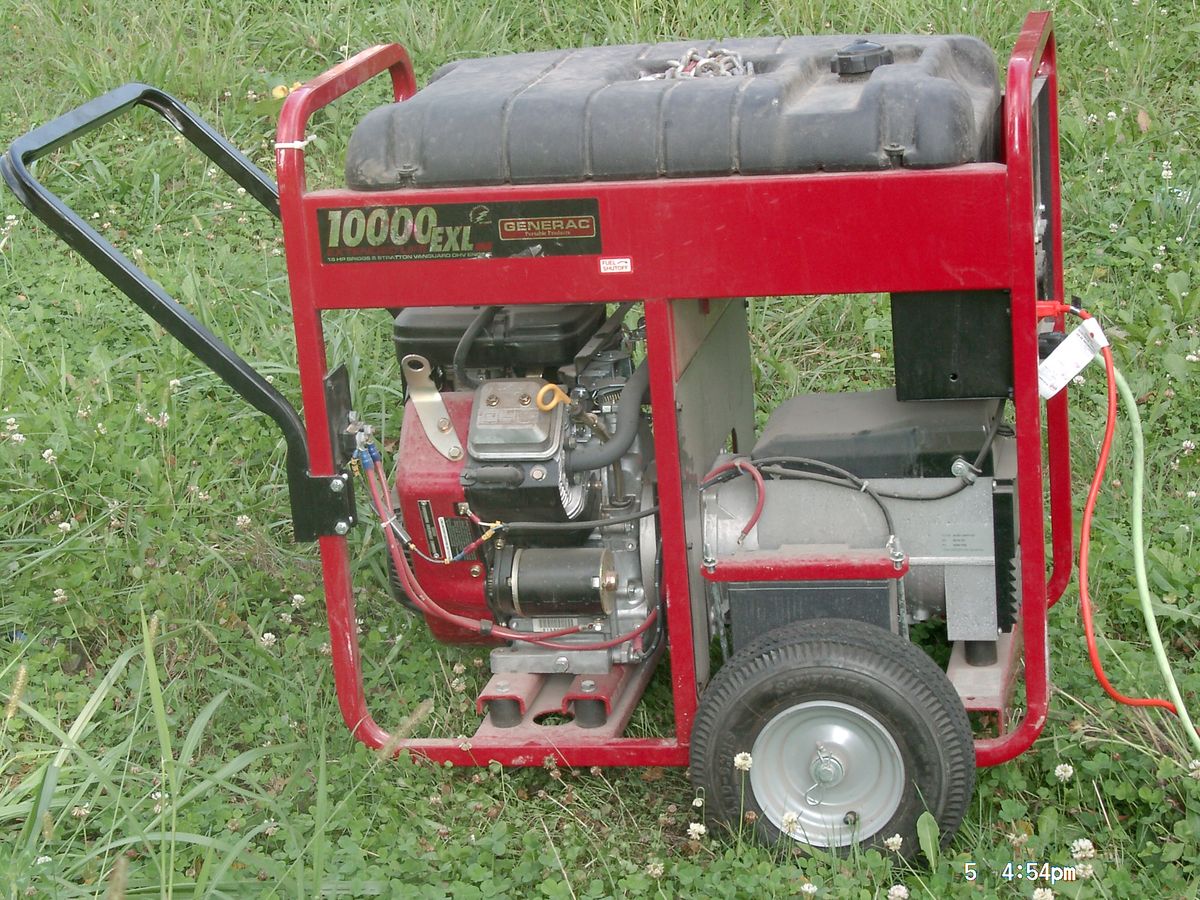

Why the connection matters more than the generator
The danger in generator use isn't the generator — it's how it's connected. A so-called "suicide cord" (a double-male cord plugged from the generator into a wall outlet) energizes the home's wiring and, critically, can push power back out onto the utility lines, where it can injure or kill a lineworker restoring service. It also bypasses every safety the panel provides. The correct method is a transfer switch or a listed panel interlock that mechanically prevents the generator and the utility from ever being connected at the same time. That device is the whole point: it lets the generator power selected circuits while physically locking out any back-feed. Sizing matters too — you match the transfer setup and circuits to what the generator can actually carry, so you're not tripping it the moment the AC starts.
Please don't use a back-feed cord
Beyond being illegal in most places, a double-male "suicide cord" risks a lineworker's life and your home. If that's how a generator is being connected now, stop and let us install a proper transfer switch or interlock — it's exactly the problem this service exists to solve.
When you may not need a permanent hookup
If you only ever run one or two appliances and are comfortable with heavy-duty extension cords straight from the generator to those items, you may not need a house connection at all — cords direct to the device are safe when the generator isn't tied to the panel. A permanent transfer switch earns its cost when you want whole-selected-circuit backup without cords, or you have medical or refrigeration needs that make a fast, clean switchover worth it. We'll tell you which situation you're in.
Our generator wiring process
Define the load
We list the circuits you want backed up and match them to your generator's capacity.
Choose the method
A manual transfer switch, a critical-loads sub-panel, or a listed panel interlock — sized and located for your setup.
Install and inlet
We mount the transfer equipment and a weatherproof power inlet, and wire it to the panel to code.
Permit, inspect, demonstrate
Permitted and inspected, then we walk you through starting up and switching over safely.
What to know before you call
- Your generator's make, wattage and outlet type — or that you're still choosing one.
- Which circuits matter most in an outage: fridge, some lights, a room's cooling, medical devices.
- Whether you want a portable hookup or are considering a permanent standby unit.
- Where the generator will sit relative to the panel and an exterior wall.
Local detail: backup power in the East Valley
Outages here are usually short, but a summer power loss in Gilbert is a genuine comfort-and-safety issue given the heat, and monsoon storms occasionally knock out service for hours. That's what drives most generator interest across Power Ranch, Seville and the newer Queen Creek builds. Whole-home standby generators are less common than portable-plus-transfer-switch setups, but both are workable. Generator connections are permitted through the Town of Gilbert Development Services building division (or your city), and we handle the permit and inspection so the installation is safe and documented.
Generator wiring FAQs
What's a transfer switch and why do I need one?
It's a device that switches selected circuits between the utility and the generator while making it physically impossible to connect both at once. It's what lets you power the house safely and prevents dangerous back-feed onto the grid.
Can't I just plug the generator into an outlet?
No. A back-feed "suicide cord" is dangerous and illegal in most places — it can electrocute a lineworker and bypasses your panel's protections. A transfer switch or listed interlock is the safe, code-compliant way.
Portable or standby generator — which should I get?
Portable units with a transfer switch cover most East Valley needs affordably. A permanent standby unit auto-starts and powers more, at higher cost. We can wire either and help you weigh it against your outage risk and budget.
Will it run my air conditioner?
Only if the generator is large enough — central AC is a heavy starting load. We size the backed-up circuits to what your generator can actually carry, and are honest if cooling a whole home is beyond a given unit.
Do generator hookups need a permit?
Yes — a permanent transfer switch or interlock installation requires a permit and inspection. We pull it through the Town of Gilbert or your city and see it through.
Generator wiring across Gilbert and the East Valley
Reviews and directions: 4 Daughters Electric Google Business Profile.
Want backup power you can actually use safely?
We'll install a proper transfer switch or interlock sized to your generator and your must-run circuits — no cords, no back-feed risk.
Call (480) 896-0325Ask About Backup Power