
Adding Shock Protection Where Water and Power Meet
Kitchens, baths, garages, laundry and outdoors need GFCI protection — and many older homes don't have it. 4 Daughters Electric installs GFCI outlets across Gilbert and the East Valley.

4 Daughters Electric installs GFCI protection throughout Gilbert and the East Valley — in kitchens, bathrooms, garages, laundry rooms, and outdoor and pool areas where code requires it and older homes often lack it. We add GFCI receptacles or GFCI breakers, protect downstream outlets, and label everything clearly. Call (480) 896-0325.
Why homeowners add GFCI protection
Sometimes it's a home inspection before a sale flagging missing GFCI outlets. Sometimes it's a remodel that triggers current code. And sometimes it's simply a homeowner realizing the outlets beside the kitchen sink, in the garage, or on the back patio have no shock protection at all — the standard in older East Valley homes built before the requirements expanded. In every case the goal is the same: put a fast-acting safety device between water and electricity where people plug things in.
_Electrical_Outlet_(29268945818).jpg)
Why these specific locations need it
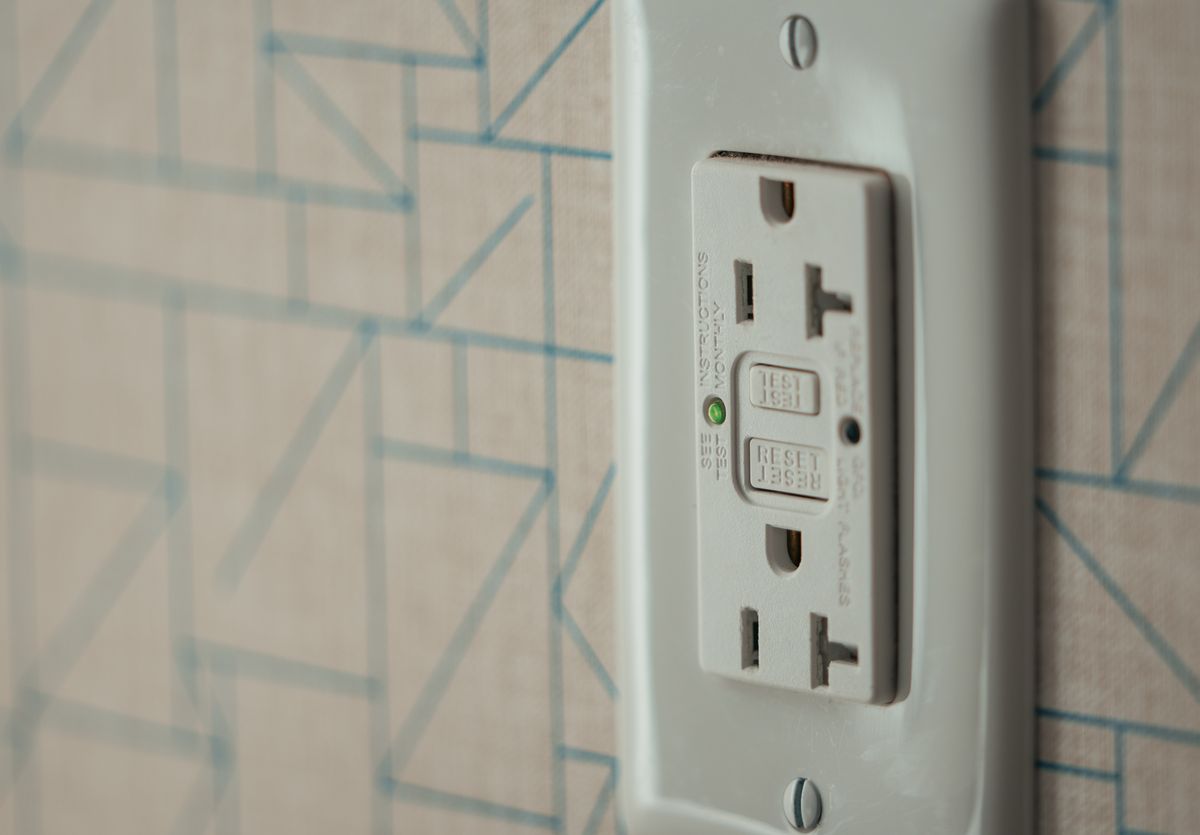
A ground fault is electricity finding an unintended path to ground — and a wet hand, a damp countertop, or a puddle in the garage makes a person an easy path. A GFCI senses the tiny imbalance that signals this leakage and cuts power in milliseconds, fast enough to prevent a lethal shock. That's why code requires GFCI protection specifically where water and receptacles coexist: kitchens, bathrooms, laundry, garages, unfinished basements, and all outdoor and pool-area outlets. Protection can be provided at the outlet itself (a GFCI receptacle) or back at the panel (a GFCI breaker), and a single protected point can cover several ordinary outlets wired downstream. Choosing the right method and getting the line/load wiring correct is what makes the protection actually work.
One GFCI can protect several outlets
Because a GFCI receptacle protects everything wired to its "load" terminals, we can often cover a whole run of outlets from one well-placed device — protecting the string without a GFCI at every location. We wire it so the coverage is correct and predictable.
When you may not need to add one
If your kitchen and baths already have working GFCIs and you're not remodeling, you likely don't need more. If an existing GFCI has failed, that's GFCI repair, not a new install. And GFCI protection isn't required on every circuit in the house — dedicated circuits for some appliances, and general living-area outlets, don't need it. We add protection where it belongs and won't sell you devices where code and safety don't call for them.
Our installation process
Identify what needs protection
We check which required locations lack GFCI coverage and how the circuits are wired.
Choose receptacle or breaker
We select GFCI receptacles or a GFCI breaker based on the wiring and how many outlets to cover.
Install and wire line/load
We wire it so downstream outlets are protected, and add tamper-resistant, weather-resistant devices where needed.
Test and label
We confirm it trips and resets correctly and label protected outlets.
What to tell us
- Which areas you want protected — kitchen, baths, garage, laundry, patio, pool.
- Whether an inspection or remodel is driving the request.
- Whether outdoor outlets have weatherproof covers.
- Any outlets that already have test/reset buttons, so we can map the coverage.
Local detail: older Gilbert homes and pools
Plenty of Gilbert, Mesa and Chandler homes built before GFCI requirements broadened still have unprotected kitchen, garage and exterior outlets — a common find on pre-sale inspections. With backyard pools so common across the East Valley, pool-equipment and patio GFCI protection matters here more than in many regions, and outdoor devices need weather-resistant ratings to survive the sun and monsoon moisture. GFCI additions are typically a small job; when tied to new circuits, the work is permitted through the Town of Gilbert building division and we handle it.
GFCI installation FAQs
Where does code require GFCI outlets?
Kitchens (counter outlets), bathrooms, garages, laundry, unfinished basements, and all outdoor and pool-area receptacles. Many older homes predate the full list, which is why additions are common.
GFCI receptacle or GFCI breaker — which is better?
Both are valid. A receptacle is simple and protects downstream outlets; a breaker protects the whole circuit from the panel and can be tidier where many outlets need coverage. We pick based on your wiring.
Can one GFCI protect several outlets?
Yes — wired to its load terminals, one GFCI protects the outlets downstream of it. We often cover a whole run from a single well-placed device and label the protected outlets.
Do outdoor GFCIs need anything special?
They need weather-resistant devices and in-use (bubble) covers to handle sun, dust and monsoon rain. We use outdoor-rated hardware so they last and keep working.
Will a home inspection require these?
Inspectors routinely flag missing GFCI protection in required areas. Adding it is a straightforward way to clear that item — bring us the report and we'll address exactly what's noted.
GFCI installation across Gilbert and the East Valley
Reviews and directions: 4 Daughters Electric Google Business Profile.
Missing GFCI protection where water meets power?
We'll add the right protection in your kitchen, baths, garage and outdoors — receptacle or breaker — and label exactly what's covered.
Call (480) 896-0325Book a Visit